
Dynamic ventilated facades: an innovative approach to architecture

At Simpleyfácil, we have created facade systems that encourage professionals to actively participate in their design, providing stunning visual effects and improving the environmental performance of buildings. Our systems also offer the possibility to optimize costs according to the allocated budget.
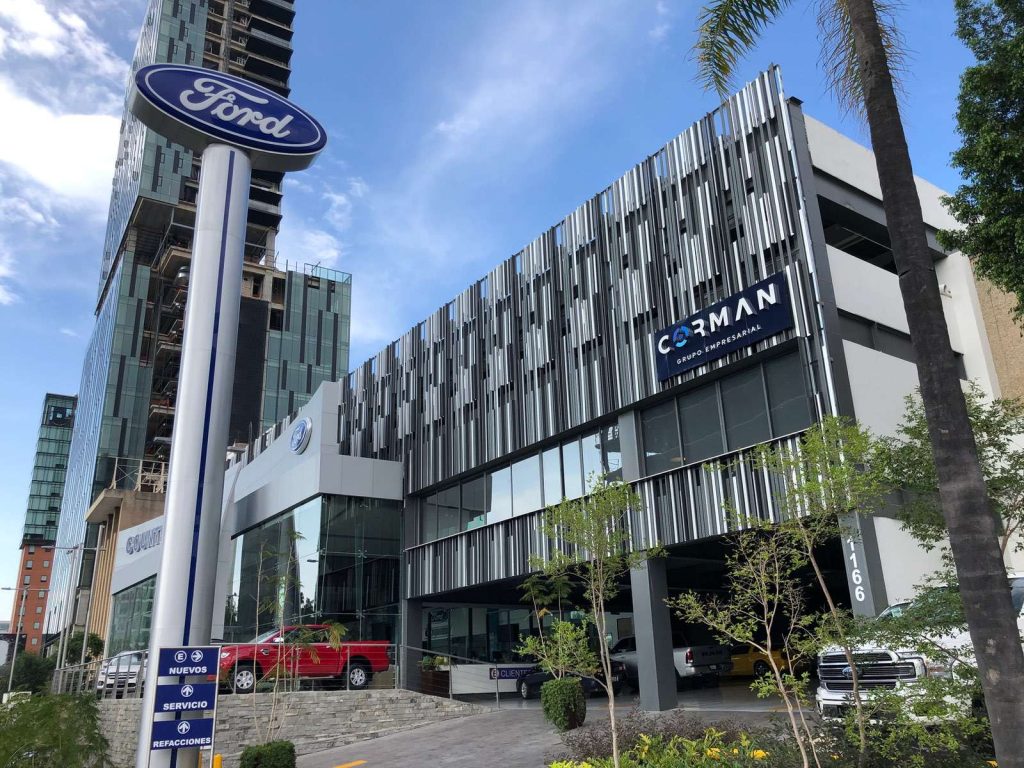
We present creative ideas for metal ventilated facade projects, where we break the continuity of the original design to propose dynamic facades. These facades can adopt random shapes and arrangements that become personalized canvases, offering the designer the possibility to integrate different finishes, combine shapes, sizes, and textures within an architectural concept that seeks to optimize the budget through design.
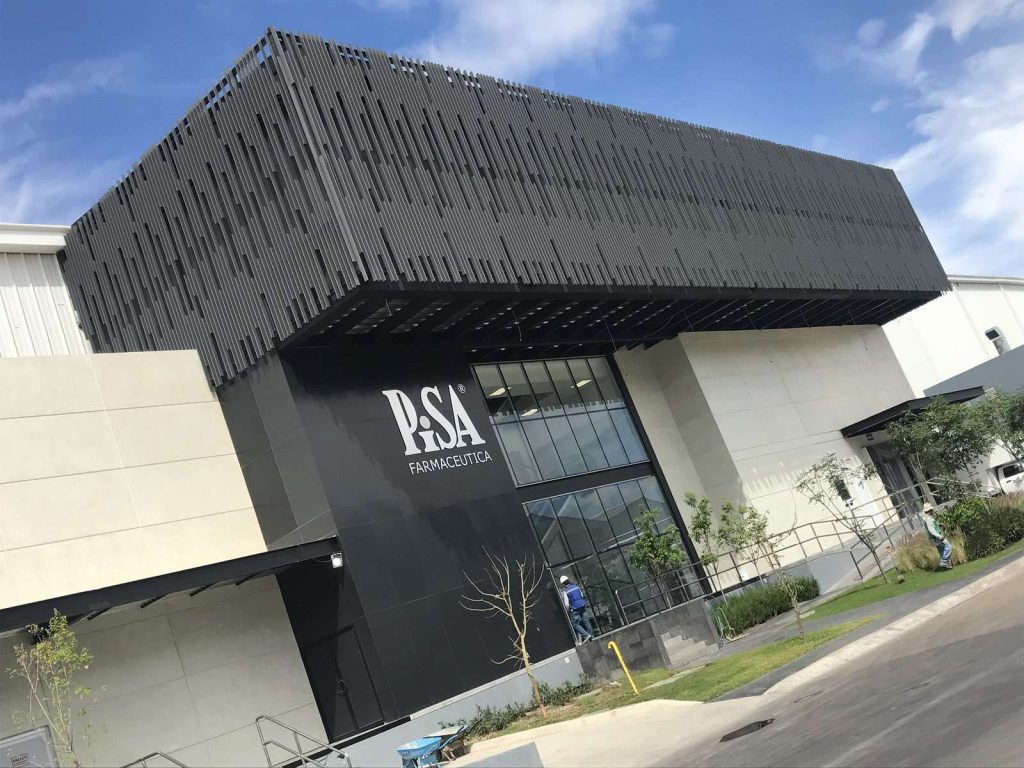
These facades not only focus on aesthetic aspects but also on functional and technical aspects. The distribution of spaces within the design can respond to visual transfer needs, solar control, or generation of ventilation flows. Through shading or passive ventilation, it is possible to control the indoor environment of the building, reducing the dependence on air conditioning, heating, or artificial lighting.
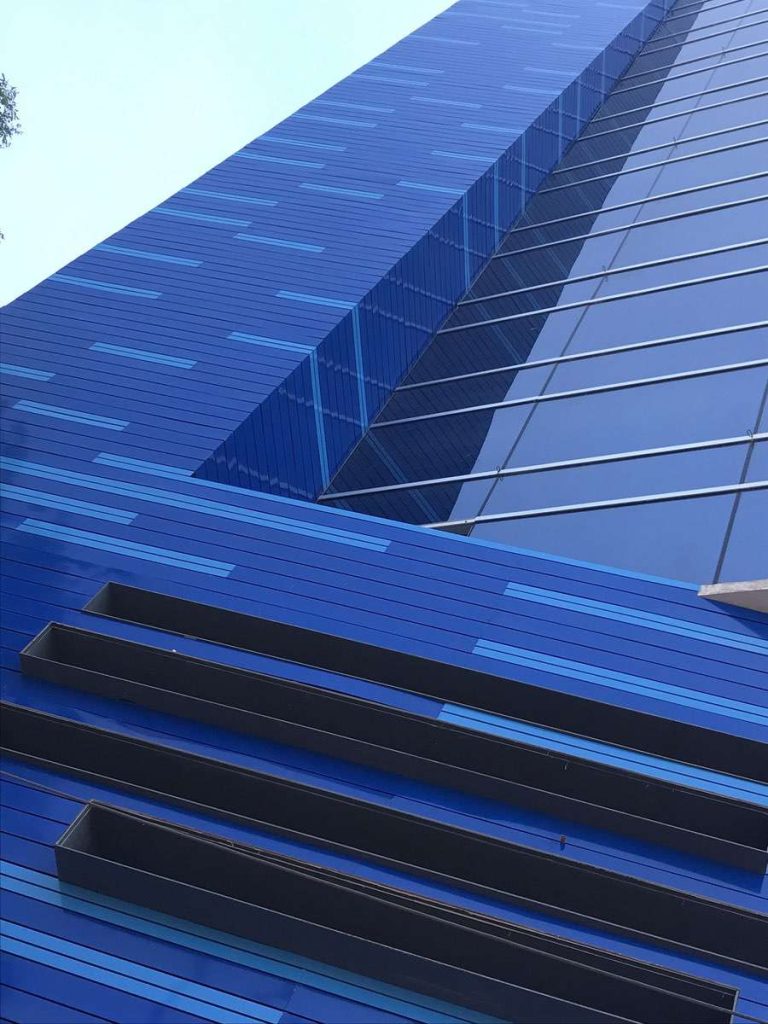
Facade systems have become key elements in managing energy efficiency and solar control. Our Simpleyfácil facade systems have been developed with this purpose in mind, without losing sight of the need for a unique design for each building and adapting to the established budget. Simpleyfácil dynamic facades meet the fundamental requirement of contemporary architecture: adaptability.
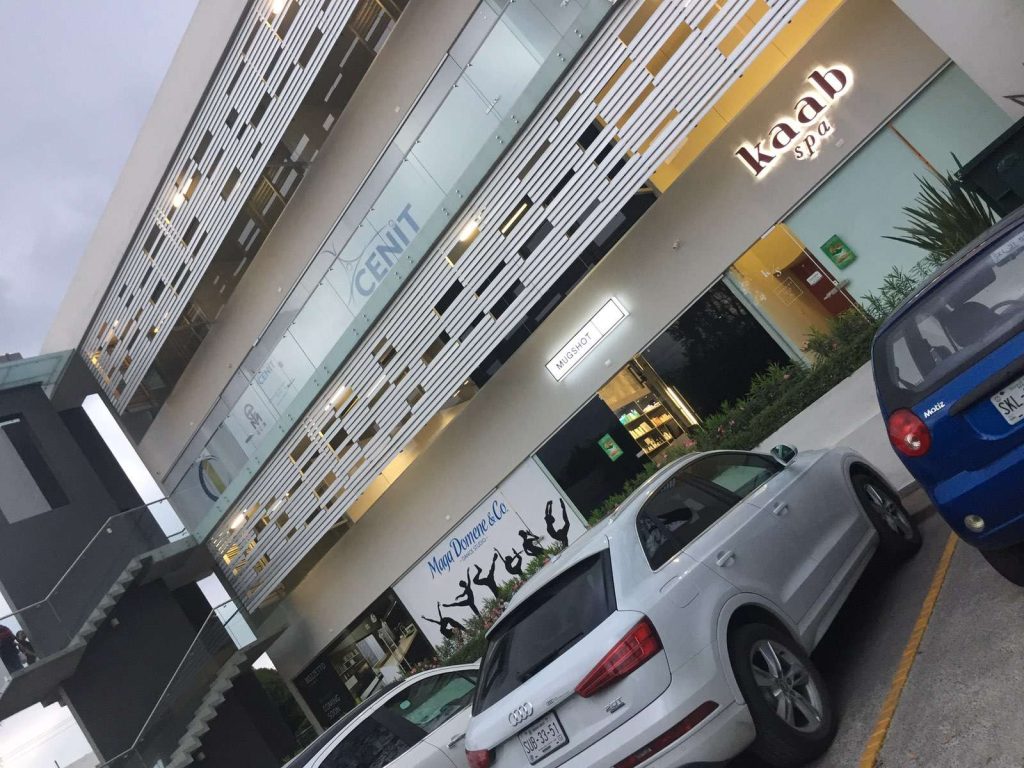
We propose that dynamism integrates into buildings from their design stage. In this sense, we share the possibilities offered by our systems to constantly redesign themselves randomly.
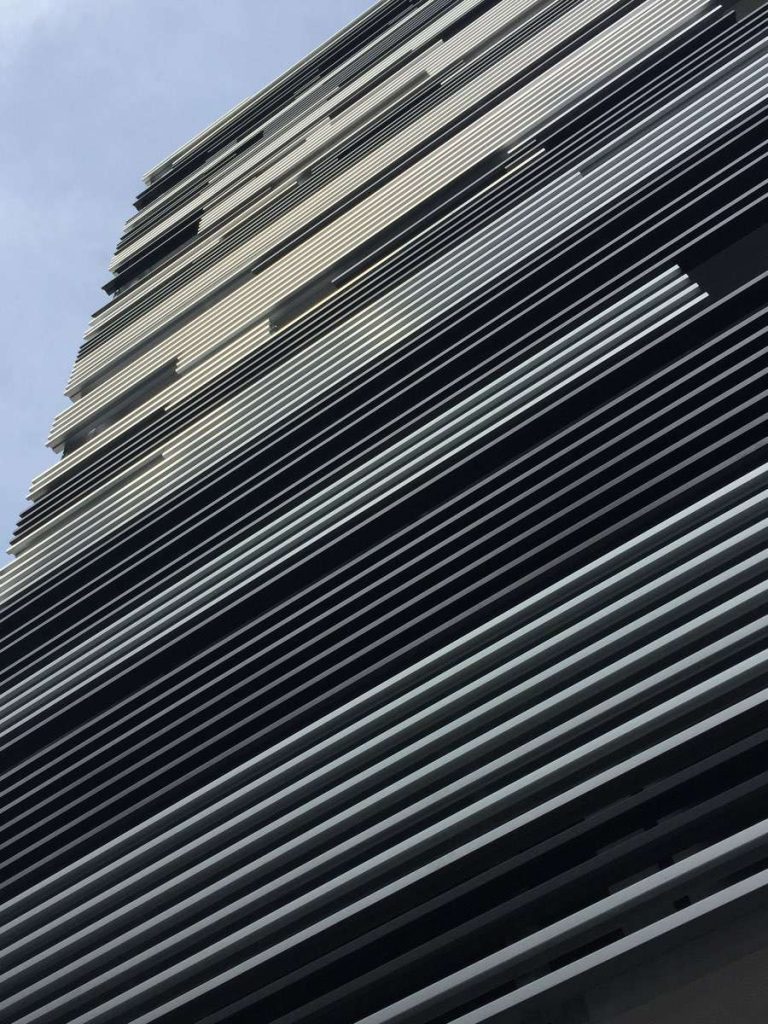
Our dynamic, ventilated facades provide a wide range of shapes, finishes, and textures, allowing for a perfect balance between function and design, letting creativity integrate with the use of the building. When simple elements give us this dual opportunity, we know that we are facing good architecture.

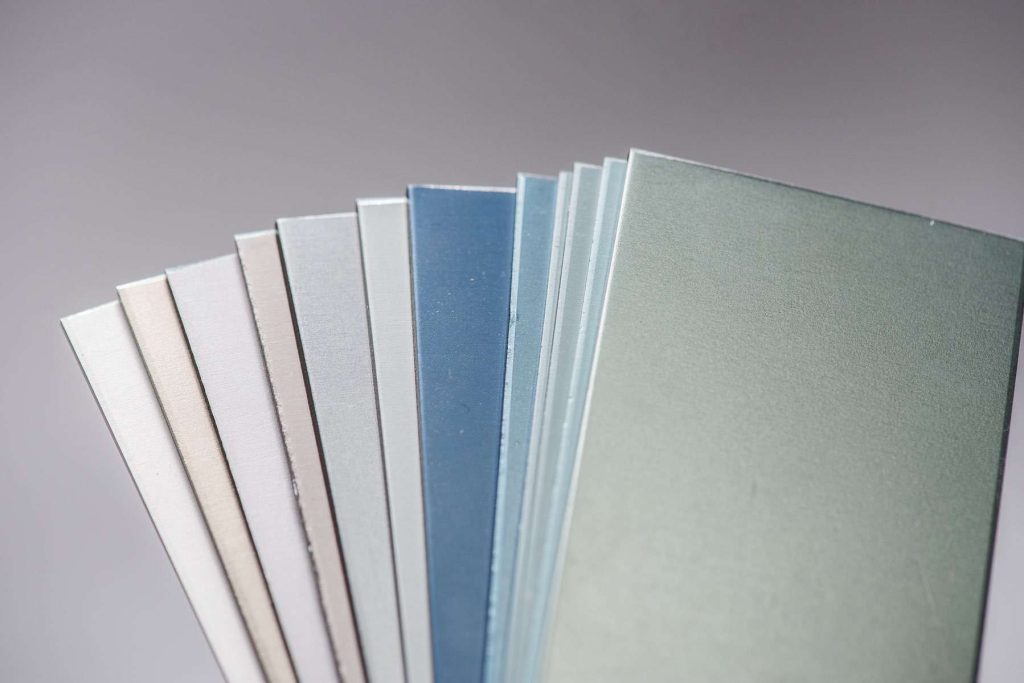
Anodizing of aluminum profiles.

When aluminum comes into contact with ambient air, its outermost layer spontaneously oxidizes to form a transparent and impermeable layer known as alumina. This alumina layer is very uniform and adherent. For this reason, despite aluminum being thermodynamically reactive, the naturally formed passive layer protects it from corrosion under normal conditions.

By subjecting aluminum to an accelerated electrochemical passivation process, it is possible to increase the thickness of the natural oxide layer on its surface, providing greater protection against mechanical wear, corrosion resistance, solar exposure, and enhanced durability. The level of protection will largely depend on the thickness of the induced oxide or alumina layer (in microns), which becomes an integral part of the aluminum component or profile.

The anodizing process essentially involves immersing aluminum parts or profiles in an electrolytic bath, typically containing sulfuric acid. The acid bath is connected to a direct current that causes the release of oxygen through the electrolytic dissociation of water, which acts as a catalyst for oxidizing the aluminum. The aluminum profile, serving as the positive pole of the electrolyte, acts as the anode within the electrical circuit, resulting in anodic oxidation, commonly referred to as “anodizing” in modern terminology.

The thickness of the alumina layer is determined by a combination of factors, including the temperature and composition of the bath, the applied current, and the anodizing time. The anodic oxide layer will open pores on the surface of the profile, making it vulnerable to corrosion. This allows for the coloring of the surface until the process is completed by sealing the pores with a surface sealant.

In the case of aluminum, the sealing operation consists primarily of hydrating the alumina by immersion, in which the anodized aluminum profile is submerged in hot water. This process leads to the formation of a hydrated oxide layer, completing the anodizing process.

There are different anodizing thicknesses depending on the applications, ranging from 10 to 20 microns (from interior and non-aggressive outdoor environments to marine and aggressive environments).

Anodizing techniques have evolved significantly over time due to market competition. As a result, we now have a range of options available, starting from an aluminum oxide layer with the natural gray color of the oxide, to subsequent colorations applied after the formation of the layer, such as gold, bronze, black, and red. The latest techniques, based on optical interference processes, can provide finishes like blue, pearl gray, and green.

There are different methods for coloring the formed oxide layers: salt coloring and dye coloring, with salt coloring being the most common and ensuring the highest quality finish and durability.

As a recent technique, interference finishes (blue, gray, and green) are being developed based on subsequent modifications of the pore structure of the aluminum oxide formed during the anodizing stage. This microscopic modification of the pore structure is achieved by replicating specific conditions such as temperature, electrolyte concentrations, voltages, affected surface area, and alloy characteristics. The control of these variables and the reproducibility of the process conditions determine the blue, gray, or green finish.

Anodized aluminum profiles are suitable for a wide range of architectural and decorative applications that require a beautiful and durable surface. Anodized aluminum profiles minimize the need for maintenance. However, for aesthetic reasons, they should be periodically cleaned, for example, with water and neutral detergents. Strong acids or alkaline cleaners should not be used.

NAHB International Builders´ Show 2023 in Las Vegas, Nevada

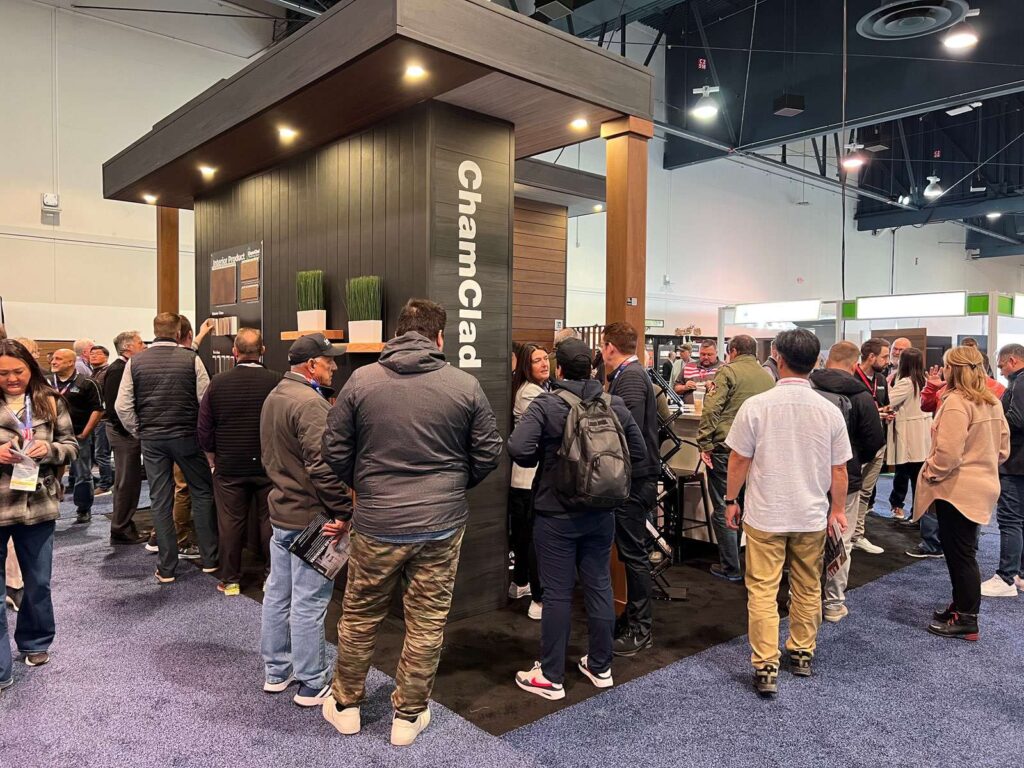
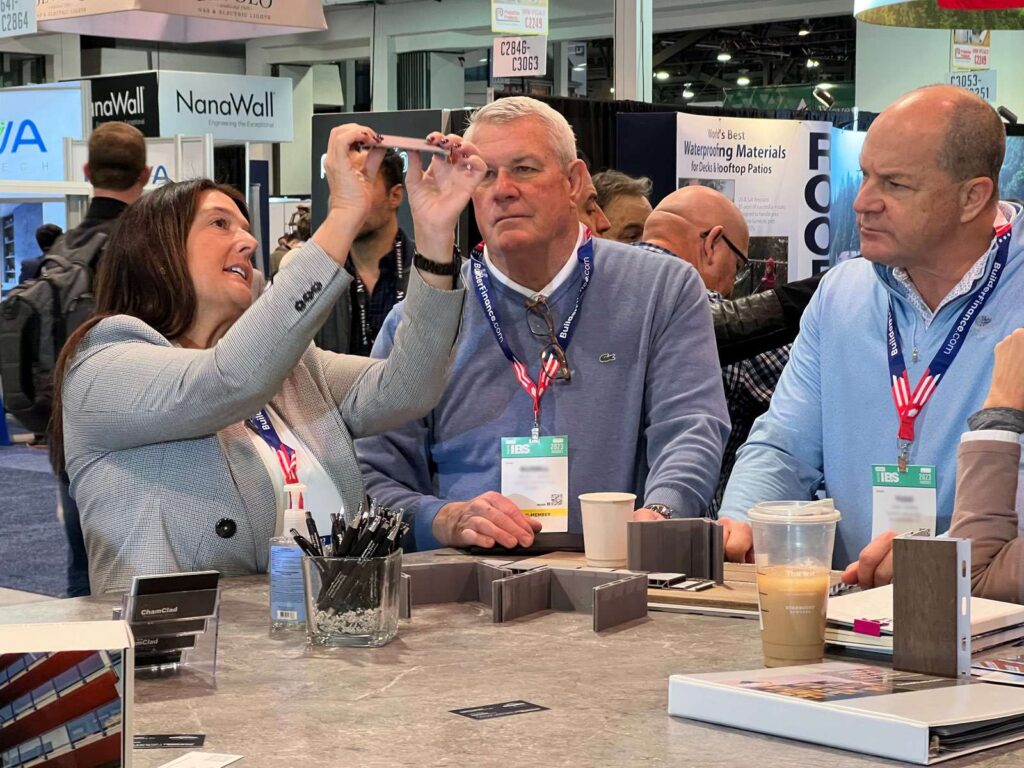
At the end of January, the NAHB International Builders’ Show® (IBS) took place in the city of Las Vegas with unprecedented success in terms of attendees and exhibitors, totaling more than 2,000 participants as part of the Design & Construction Week® (DCW). This event holds great significance for the North American market and is a reference point for many buyers and decision-makers across the continent who seek to stay up to date with the latest innovations presented.

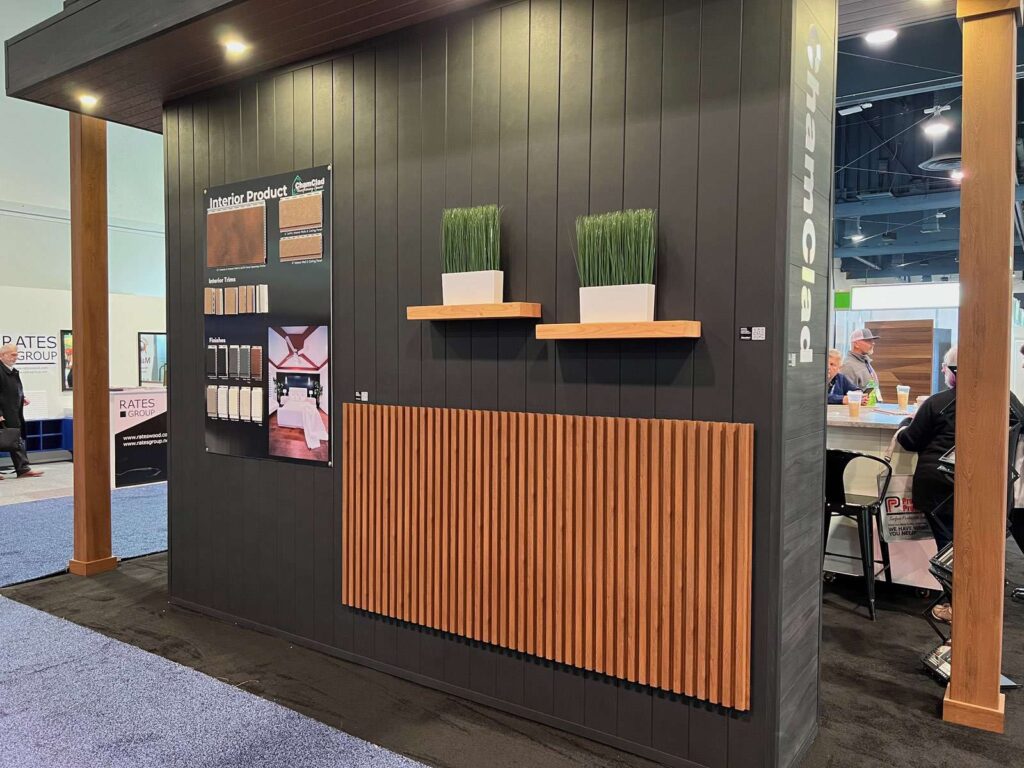
Within this framework of innovation and new proposals, Simpleyfácil® had the opportunity to present some of its products alongside its distributor in Canada, ChamClad. ChamClad is a renowned brand known for its prestige and quality, which has developed a line of PVC products for architectural and decorative applications. These are compatible with the commercial portfolio of Simpleyfácil®, which also relies on the use of laminates with German Skai Continental foils for their finishes. These foils impress with their natural appearance and tactile texture.

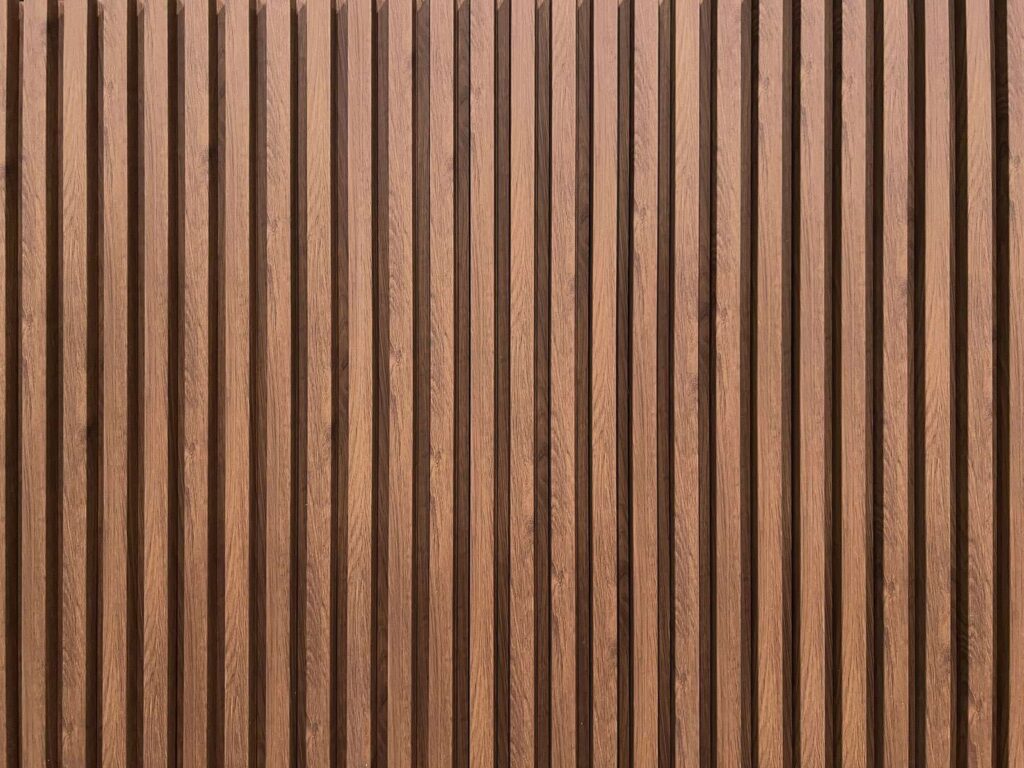
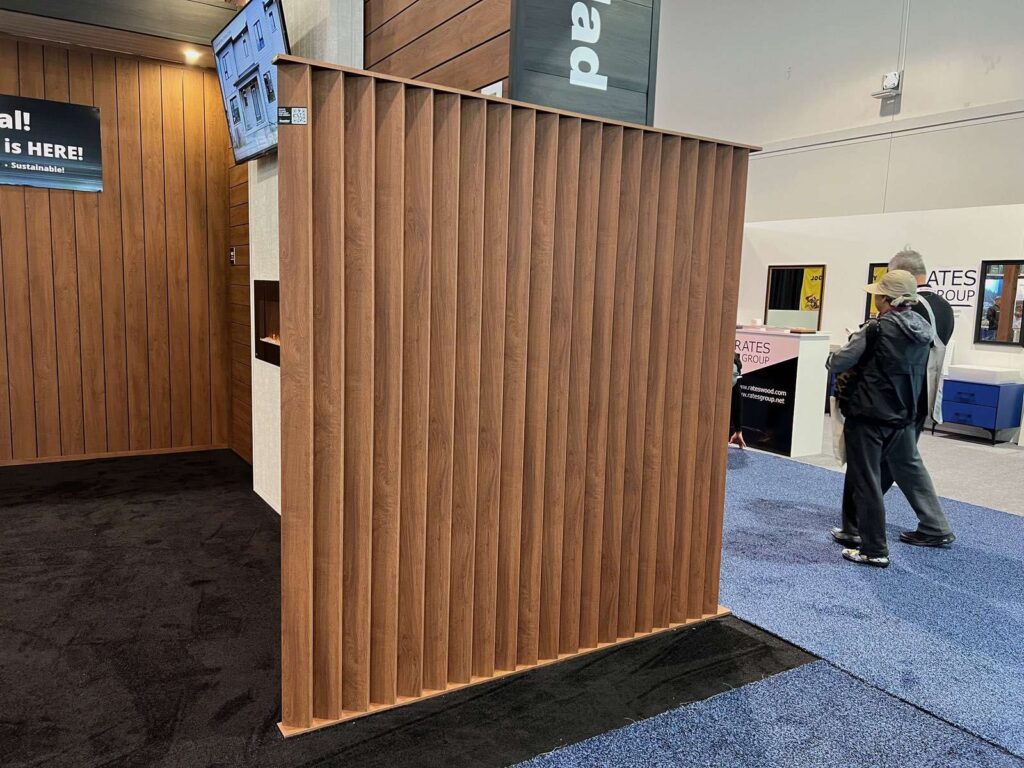
It is within this partnership that the MinimalClad system was introduced to the public for the first time. MinimalClad is an aluminum coating that simulates the appearance of wooden strips, following the minimalist trend in interior decoration from the 1960s, which gives it its name. This vintage style is based on Nordic wood tones and has transitioned to facades to provide them with elegance and personality in line with bioclimatic principles that aim to integrate architecture with nature in every possible way.

In this sense, the exterior specification of the Minimalclad system presents itself as an alternative solution to conventional facades. It enables the passive regulation of the building’s temperature through its design as a ventilated facade. Engineering that can also be integrated or extended as a solar control system for glazed areas, addressing the need to limit direct solar incidence on these surfaces while still making use of the natural light available.

Within ChamClad’s booth, Simpleyfácil® also showcased its Tramontana system as a decorative partition screen, complementing the entire range of PVC wall and ceiling claddings that were the main highlights of the exhibition.

We express our gratitude to ChamClad for providing us with the opportunity to witness the enthusiasm with which our products were received by customers and visitors in general, as well as for their excellent presentation. We are confident that this is undoubtedly the beginning of a long and fruitful relationship for both companies, further solidifying our alliance.